Termite Inspection in Charlotte, NC
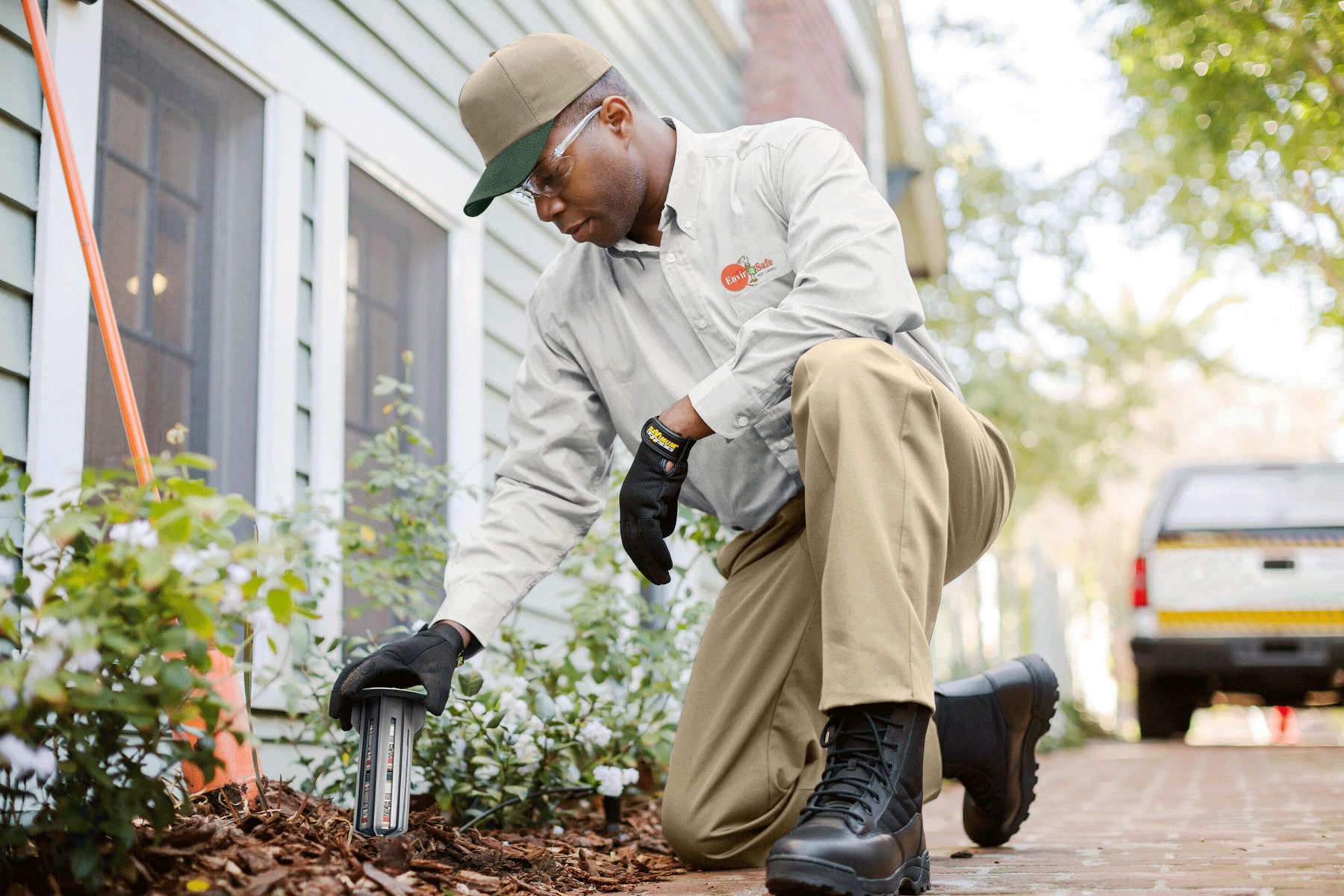
What we check, what we find, and what you get when the inspection is done.
A termite inspection is a physical walk of your property looking for evidence that eastern subterranean termites are working on your house. Around Charlotte that is the species that matters. They nest in the soil rather than in the wood, and they build shelter tubes up through foundation walls and pier blocks to reach the framing above. Because the colony stays underground, most of the damage happens out of sight. Most homeowners never see it until a swarm shows up on a window or a floor starts to feel soft underfoot.
We inspect homes in Charlotte, Steele Creek, Pineville, Huntersville and the rest of Mecklenburg County. The inspection takes as long as the house needs, and there is no obligation to buy anything when it is done.
What a Termite Inspection Covers
Outside first. The technician walks the full perimeter looking at the foundation wall, brick veneer, pier blocks, expansion joints, porch and stoop slabs, and every point where soil or mulch meets wood. Grade level matters more than people expect. Plenty of Charlotte homes have had beds built up over the years until the mulch line sits above the bottom of the siding, and that gives termites a covered path straight past everything visible from the yard.
Then the crawl space. We check the sill plate, band joist, floor joists, subfloor and every pier. This is where the evidence usually is, and it is the part a rushed inspection skips. We sound suspect wood, probe anywhere it reads soft, and look at the vapor barrier and the ventilation while we are under there, because moisture problems and termite problems travel together.
Then above grade. Window and door framing, baseboards, garage framing, attached decks and porches, fence posts and any wood in ground contact. On a slab home the attention shifts to expansion joints, plumbing penetrations, the garage slab and the sill.
The Evidence We Are Looking For
Mud tubes. Pencil-width tunnels of soil and saliva running up foundation walls, piers and joists. This is the most common finding and the least ambiguous one.
Swarmers and shed wings. Around Charlotte the spring swarm generally runs March into May, often on a warm afternoon a day or two after rain. Small piles of translucent wings on a windowsill, in a spider web, or around a light fixture mean a colony reached maturity somewhere close by.
Damaged wood. Subterranean termites eat with the grain and pack the galleries with soil, so a board can look sound on the surface while the inside is gone. Sounding and probing is how that gets found, not looking.
Conducive conditions. Wood to soil contact, buried form boards left by the builder, scrap lumber stored in the crawl space, a leaking hose bib, blocked foundation vents, standing water, mulch heaped against the siding. None of these mean you have termites. They mean the house is easy to reach, and they are worth correcting either way.
Once a year for most homes. Right now if you are buying, selling, or you have seen swarmers.
What Happens After the Inspection
You get a walk-through of the findings at the house, in plain language, before we leave. If there is activity we show you where it is and what it has reached. If there is damage we tell you whether it reads as old or current, because those are two different problems and only one of them is urgent.
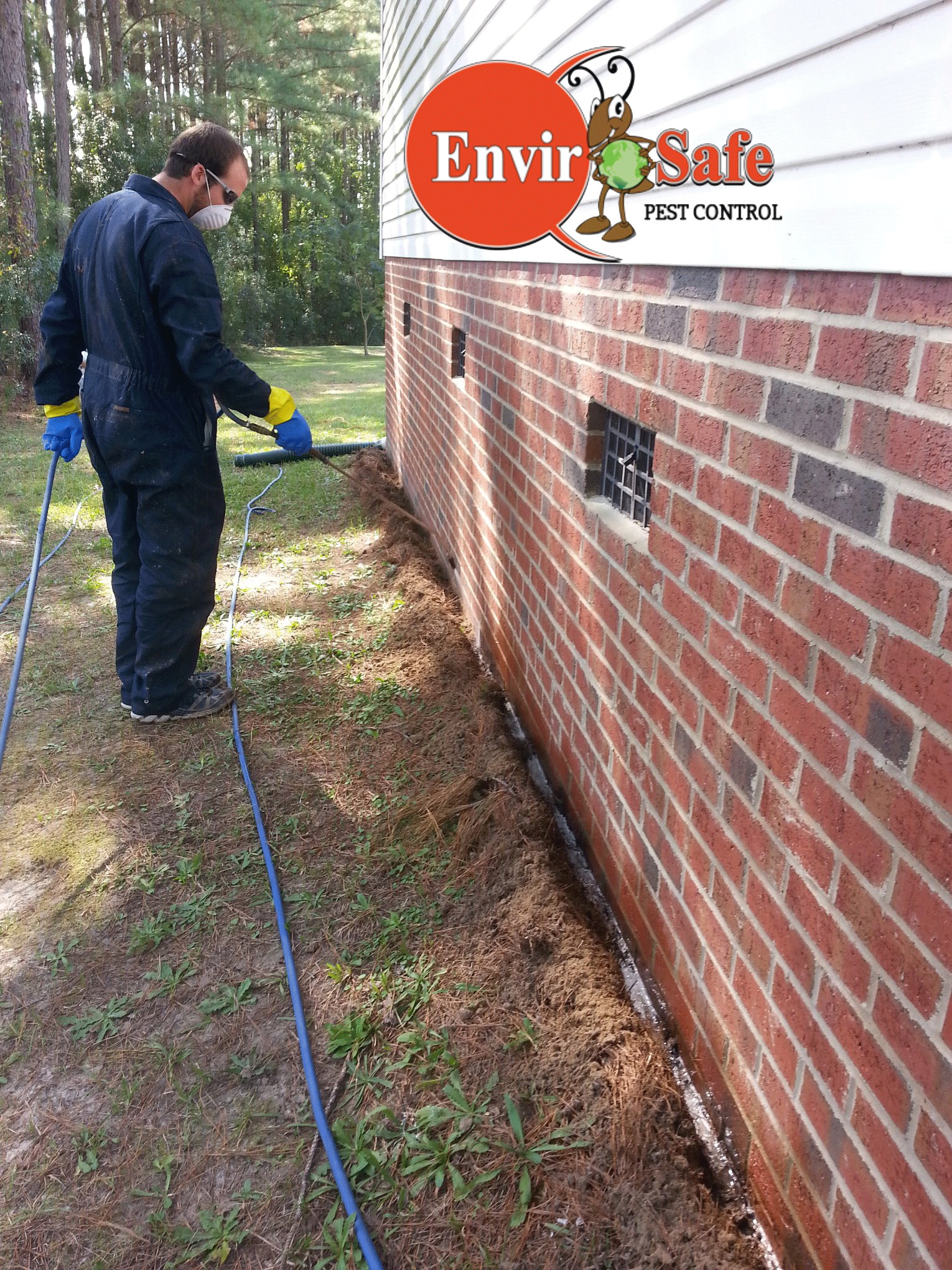
If treatment makes sense we lay out the options for your specific house, including where stations would go or where a trench would run, what the work involves, and what it costs. If nothing is active and the house just needs a few conducive conditions corrected, we tell you that and you are welcome to handle it yourself. Envirosafe is owner operated and our technicians are not paid on commission, so nobody here has a reason to sell you something the house does not need.
Inspection or WDIR Report: Which One Do You Need?
They are not the same thing, and ordering the wrong one costs time at closing.
A homeowner inspection is what this page describes. It is for you. It tells you the condition of your house and it carries no paperwork requirement.
A WDIR, the Wood Destroying Insect Report, is the form a lender, closing attorney or buyer asks for during a real estate transaction. It is completed by a licensed inspector on a prescribed form and it has to be current at closing. If you are buying or selling, that is the one you need, and we write them across Mecklenburg County and York County, South Carolina. See our WDIR termite reports page.
If either inspection turns up active termites, our termite treatment page covers the two systems we use and how we decide between them for a given house.
Envirosafe has been treating termites in the Carolinas since the mid-1990s. Rodney Allman is the licensee, and the work is done by our own technicians rather than subcontracted out. We cover Mecklenburg County including Charlotte, Steele Creek, Pineville, Huntersville, Matthews and Mint Hill, along with Gaston County, North Carolina and York County, South Carolina.
To book a termite inspection, call 704-392-2241.

What the Inspection Covers
Every Envirosafe protection plan includes re-service at no charge. If something is still active between your scheduled visits, call the office and we come back out. No trip fee, and no argument about whether it counts.
We are owner operated, our own technicians do the work, and Rodney Allman is the licensee on every job. If a service is not right, tell us and we will make it right. 704-392-2241